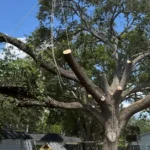
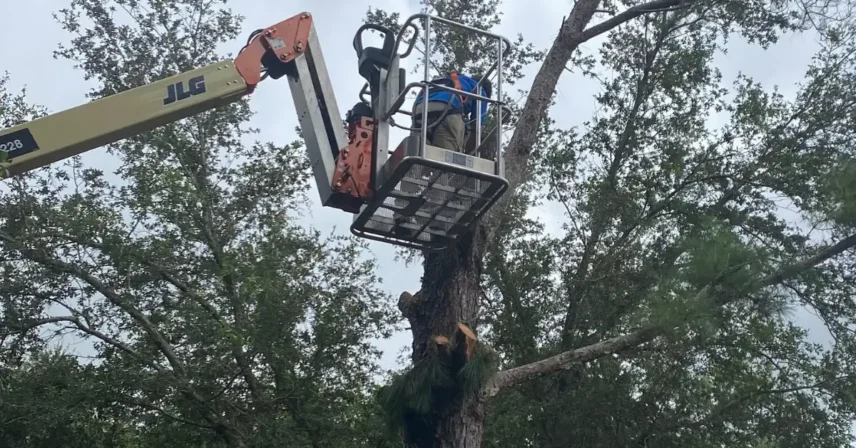
Living in the Tampa Bay area means enjoying beautiful weather most of the year, but it also means preparing for hurricane season from June through November. One of the most overlooked aspects of storm preparation is proper tree maintenance. At Grand Oaks Tree Service, we’ve seen firsthand how strategic tree pruning can mean the difference between minor yard cleanup and catastrophic property damage.
Why Hurricane Pruning Matters in Central Florida
The Tampa Bay region hasn’t experienced a direct hit from a major hurricane in decades, but that doesn’t mean we’re immune. When Hurricane Ian devastated Southwest Florida in 2022, many Wesley Chapel and Pasco County residents were reminded of just how vulnerable our area can be. Trees that haven’t been properly maintained become dangerous projectiles during high winds.
In Hillsborough and Pasco Counties, we’re home to some magnificent mature trees, including towering live oaks, sprawling laurel oaks, and stately slash pines. While these trees add tremendous value and beauty to our properties, they also represent significant risk if not properly maintained.
The Science Behind Storm-Resistant Pruning
Professional arborists use a technique called “crown thinning” to reduce wind resistance without compromising the tree’s health or structure. By selectively removing branches, we allow wind to pass through the canopy rather than pushing against it like a sail. This doesn’t mean topping your trees or removing everything in sight. In fact, aggressive pruning can weaken trees and make them more susceptible to storm damage.
Key Pruning Techniques for Storm Preparation:
1. Remove Dead, Diseased, and Weak Branches Dead branches are the first to break during high winds. In our humid Florida climate, oak trees are particularly susceptible to diseases like oak wilt and root rot, which can weaken branches without obvious external signs. A certified arborist can identify these problem areas before they become projectiles.
2. Eliminate Crossing and Rubbing Branches When branches rub together, they create wounds that invite disease and weaken the branch structure. This is especially common in our multi-trunked laurel oaks that are popular throughout Wesley Chapel neighborhoods.
3. Maintain Proper Clearance Trees should be kept at least 10 feet away from structures, power lines, and other critical infrastructure. After Hurricane Irma in 2017, many Tampa Bay residents learned this lesson the expensive way when trees fell onto homes and vehicles.
4. Balance the Canopy An unbalanced tree is more likely to topple during storms. Professional pruning ensures weight is distributed evenly throughout the canopy, reducing stress on the root system and trunk.
Best Time for Hurricane Pruning in Tampa Bay
The ideal time for storm preparation pruning in our area is late winter through early spring, typically February through April. This gives trees time to heal before hurricane season begins in June. However, if you haven’t pruned by spring, it’s never too late. We regularly perform emergency pruning right up until storm watches are issued.
Special Considerations for Common Tampa Bay Trees
Live Oaks These iconic trees can live for centuries and are relatively hurricane-resistant when properly maintained. Their sprawling horizontal branches, however, can extend over rooflines and need regular attention. Live oaks should be pruned during their dormant season (winter) to minimize stress and reduce the risk of oak wilt transmission.
Laurel Oaks While beautiful and fast-growing, laurel oaks have a shorter lifespan (50-70 years) and are more prone to storm damage than live oaks. These trees benefit from more frequent pruning, typically every 3-5 years, to remove weak branch unions.
Pine Trees (Slash and Longleaf) Florida pines are naturally wind-resistant but can become top-heavy if lower branches die off. Strategic pruning maintains a balanced canopy while removing any dead wood that could break off during storms.
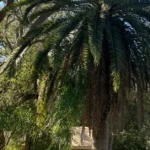
Palm Trees Contrary to popular belief, palms shouldn’t be heavily pruned. Only remove completely dead fronds, as over-pruning actually makes palms weaker. The “hurricane cut” or “pencil pointing” is harmful and should be avoided.
Local Regulations and Permits
Before pruning large trees in Wesley Chapel or other parts of Pasco County, check with your HOA and local municipality. Hillsborough County has specific tree protection ordinances, especially for specimen trees (those with trunks larger than certain diameters). Protected trees may require permits before major pruning work.
In Wesley Chapel’s newer developments, many communities have strict tree preservation requirements. Always verify local requirements before beginning work on mature trees.
The Cost of Not Preparing
We’ve responded to countless emergency calls after storms where preventable tree damage caused:
- Roof damage costing $10,000-$50,000+
- Vehicle destruction
- Pool cage collapse
- Power line damage
- Fence destruction
- Landscape devastation
The cost of regular pruning is minimal compared to storm damage repairs and increased insurance premiums.
Professional vs. DIY Storm Preparation
While homeowners can handle minor pruning of small branches, hurricane preparation for large trees requires professional expertise and equipment. Our team uses:
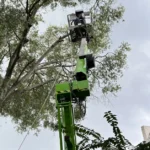
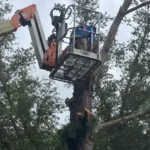
- Professional climbing equipment and bucket trucks
- Proper pruning techniques that promote healing
- Knowledge of tree biology and structural integrity
- Understanding of local tree species and their specific needs
- Liability insurance protecting your property
Start Preparing Now
Don’t wait until a storm is brewing in the Gulf. The best time to hurricane-proof your trees was last year; the second-best time is now. Grand Oaks Tree Service serves the entire Tampa Bay region, including Wesley Chapel, New Tampa, Lutz, Land O’ Lakes, and surrounding Pasco and Hillsborough County communities.
Our certified arborists will assess your property, identify vulnerable trees, and create a customized pruning plan that protects your home while maintaining the beauty and health of your landscape. We handle all the details, from obtaining necessary permits to complete cleanup and debris removal.