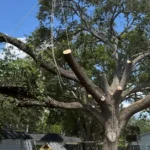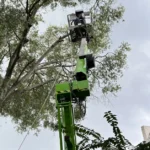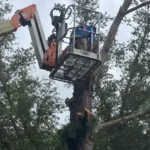
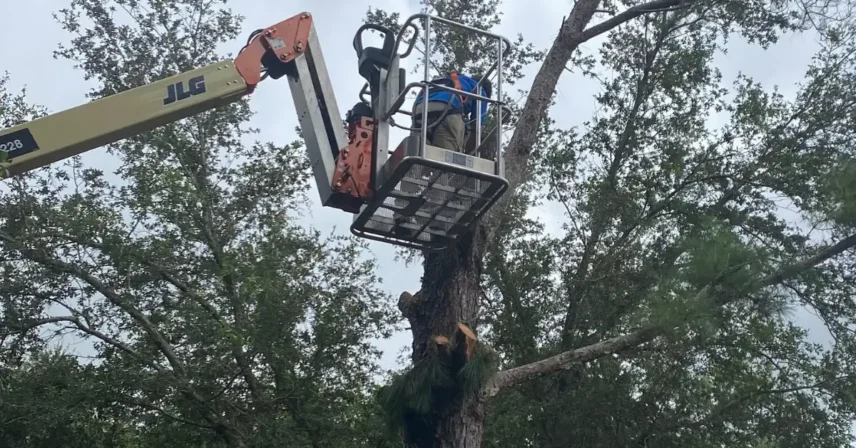
Oak trees are the crown jewels of Tampa Bay landscapes. From the majestic, sprawling live oaks that can live for centuries to the fast-growing laurel oaks lining our Wesley Chapel neighborhoods, these trees define the character of Central Florida properties. However, maintaining these beautiful trees requires specialized knowledge, particularly when it comes to pruning.
At Grand Oaks Tree Service, our name reflects our expertise. We’ve spent years perfecting the art and science of oak tree care throughout Pasco and Hillsborough Counties. Here’s everything you need to know about properly pruning oak trees in our unique Florida climate.
Why Oak Trees Need Professional Pruning
Unlike many ornamental trees, oaks can’t simply be pruned whenever convenient. Our two primary oak species have different growth patterns, lifespans, and vulnerabilities that require tailored approaches.
The Two Main Oak Types in Tampa Bay
Live Oaks (Quercus virginiana) These are the iconic Southern oaks with massive horizontal branches that create cathedral-like canopies. Mature live oaks in Wesley Chapel and throughout the Tampa Bay area can reach 60-80 feet tall with canopies spreading 100+ feet wide. They’re evergreen (despite the name suggesting otherwise) and can live 200-300 years with proper care.
Laurel Oaks (Quercus laurifolia) These semi-evergreen oaks grow faster than live oaks but have shorter lifespans, typically 50-70 years. They’re popular in newer developments because they grow quickly and provide shade within 10-15 years. Their narrower, more upright growth pattern makes them popular street trees throughout Pasco and Hillsborough Counties.
The Critical Timing Factor: Oak Wilt Disease
The most important thing to understand about oak tree pruning in Florida is the risk of oak wilt disease. This fungal disease, while less common in Central Florida than in other parts of the state, can kill a mature oak within weeks to months once infected.
Understanding Oak Wilt
Oak wilt is spread by:
- Beetles: Nitidulid beetles are attracted to fresh pruning cuts and can carry fungal spores from infected trees
- Root grafts: The disease can spread underground between neighboring trees whose roots have grafted together
The beetles are most active from February through June in our climate, which is exactly when many homeowners want to trim trees after winter storms.
The Best Time to Prune Oaks in Tampa Bay
Optimal Pruning Window: July through January
During these months, beetle activity is minimal, reducing infection risk. In our Tampa Bay climate, where we don’t have hard freezes, this window gives us plenty of time for necessary pruning without endangering trees.
Emergency Situations
If storm damage or hazardous conditions require pruning during the high-risk months (February-June), immediately seal all cuts with commercial pruning paint. While pruning paint isn’t typically recommended for most trees, it’s essential for oaks during beetle season.
Proper Oak Pruning Techniques
Incorrect pruning can permanently damage oak trees or even lead to their death. Here’s what professional arborists consider when pruning oaks:
The Three D’s Rule
Always start by removing:
- Dead branches: These provide no benefit and can harbor disease
- Diseased branches: Identified by discoloration, cankers, or fungal growth
- Damaged branches: Storm-damaged or broken branches that won’t heal properly
Structural Pruning for Young Oaks
If you’ve recently planted oak trees in your Wesley Chapel landscape, early structural pruning is crucial. For the first 15-20 years:
- Establish a central leader (main trunk)
- Remove competing leaders to prevent weak branch unions
- Space major branches vertically along the trunk
- Remove branches with narrow crotch angles (less than 45 degrees)
- Maintain a single, straight trunk without competing stems
Mature Oak Maintenance
Once oaks reach maturity (20+ years), pruning goals shift:
Crown Cleaning Remove dead, diseased, and weakly attached branches throughout the canopy. In our humid Florida climate, oaks are susceptible to various diseases and epiphytic growth that can weaken branches.
Crown Raising Selectively remove lower branches to provide clearance for buildings, vehicles, or pedestrians. This is especially important for live oaks, whose horizontal branches can eventually touch the ground if not managed.
Crown Thinning Reduce density by removing selective branches, allowing better air movement through the canopy. This is critical for hurricane preparation in the Tampa Bay area, as it reduces wind resistance.
Never “Top” Oaks Topping (removing the entire top of the tree) is always harmful. It:
- Removes most of the tree’s food-producing leaves
- Creates large wounds that invite disease
- Promotes weak, fast-growing regrowth
- Dramatically shortens the tree’s lifespan
- Destroys the tree’s natural form
Special Considerations for Live Oaks
Live oaks require extra care due to their size, age, and growth pattern:
The Sprawling Branch Structure
Live oak branches grow more horizontally than vertically. These massive horizontal limbs are a defining characteristic but also a challenge:
- Large branches may need cabling or bracing for support
- End weight can cause branches to split from the trunk
- Branches over structures need regular assessment
- Root zones extend far beyond the drip line
Protection During Construction
If you’re building or renovating in Wesley Chapel or anywhere in the Tampa Bay area, protecting existing live oaks is crucial:
- Establish tree protection zones before work begins
- Never allow soil compaction within the root zone
- Avoid grade changes near mature live oaks
- Don’t cut roots larger than 2 inches in diameter
- Consult with a certified arborist before any construction
The 25% Rule
Never remove more than 25% of a live oak’s canopy in a single pruning session. These trees allocate resources slowly, and excessive pruning can stress them for years.
Special Considerations for Laurel Oaks
Laurel oaks have different challenges than their live oak cousins:
Shorter Lifespan Management
Laurel oaks typically live 50-70 years. Many planted in the 1970s-1980s throughout Pasco County are now reaching the end of their lifespan. Watch for:
- Large dead branches in the canopy
- Trunk decay
- Mushroom growth at the base
- Extensive woodpecker damage (indicates internal rot)
- Unexplained branch drop
Weaker Wood Structure
Laurel oaks have softer wood than live oaks and are more prone to:
- Storm damage
- Branch breakage
- Codominant stem failure (where two trunks split)
- Earlier decay
Regular pruning every 3-5 years is more important for laurel oaks than live oaks.
Common Mistakes Homeowners Make
Over-Pruning
Removing too much at once stresses trees and promotes weak regrowth. This is especially problematic in Florida’s growing climate, where trees respond aggressively to pruning.
Lion’s Tailing
Removing all inner branches leaving only growth at branch tips makes branches weaker and more likely to break. Unfortunately, we see this frequently in improper tree trimming throughout Wesley Chapel and Tampa Bay.
Flush Cuts
Cutting branches flush to the trunk removes the branch collar, which is essential for proper healing. Proper cuts leave the slight swelling at the branch base intact.
Leaving Stubs
Cutting too far from the trunk leaves stubs that die back and invite decay into the tree.
Wrong Timing
Pruning during the February-June window increases oak wilt risk unnecessarily.
Signs Your Oak Needs Professional Attention
Contact a certified arborist if you notice:
- Large dead branches in the canopy
- Unexplained branch drop
- Wilting leaves when other trees are healthy
- Fungal growth on trunk or branches
- Cracks in major branches or trunk
- Branches touching your roof or structures
- Heavy lean or recent changes in tree posture
- Construction planned near the tree
The Professional Advantage
While homeowners can handle minor pruning of small branches, mature oak trees require professional care:
Professional arborists provide:
- Proper timing to avoid disease transmission
- Climbing equipment for safe access to large trees
- Knowledge of tree biology and proper cutting techniques
- Ability to identify disease and structural problems
- Equipment for handling large branches safely
- Insurance protecting your property
At Grand Oaks Tree Service, our certified arborists specialize in oak tree care throughout Wesley Chapel, Lutz, New Tampa, Land O’ Lakes, and the entire Tampa Bay region. We understand the specific needs of both live oaks and laurel oaks in our unique Florida climate.
Long-Term Oak Care Strategy
Proper oak care is a long-term commitment:
Years 1-15: Focus on structural pruning to establish strong form Years 15-50: Maintenance pruning every 5-7 years Years 50+: More frequent assessments (every 3-5 years) and careful monitoring
Regular professional assessments ensure your oaks remain healthy, beautiful, and safe for generations to come.
Protecting Our Oak Heritage
The grand oaks throughout the Tampa Bay area are living links to our natural history. Many of the live oaks in Pasco and Hillsborough Counties predate European settlement. These trees survived hurricanes, droughts, and development because they’re incredibly resilient when properly cared for.
By understanding proper pruning techniques and timing, we can ensure these magnificent trees continue to grace our landscapes for centuries to come. Whether you have a young laurel oak in a new Wesley Chapel subdivision or a centuries-old live oak on a historic Lutz property, proper care is essential.