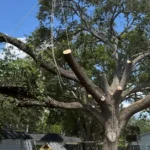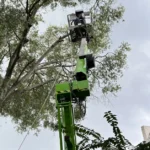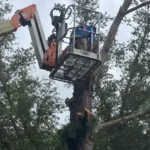
If you’re planning to hire a tree service in the Wesley Chapel or Tampa Bay area, there’s more to consider than just getting the best price. Florida has specific regulations and safety standards that protect you, your property, and the workers removing your trees. Understanding these requirements isn’t just legal nitpicking—it’s about ensuring safe, professional work and protecting yourself from potential liability.
Let’s break down what you need to know about tree work regulations in Florida and why they matter for homeowners in Pasco and Hillsborough County.
Why Florida Regulates Tree Work (And Why You Should Care)
Tree work is one of the most dangerous occupations in the United States. According to OSHA, tree care operations result in serious injuries and fatalities every year, often from falls, electrocutions, and being struck by falling limbs.
Florida’s regulations exist to:
- Protect workers from preventable accidents
- Ensure companies carry proper insurance
- Maintain professional standards in the industry
- Protect homeowners from liability when accidents occur
- Prevent property damage from improper tree work
When you hire a company that follows these regulations, you’re not just getting better service—you’re protecting yourself legally and financially.
Florida’s Tree Service Licensing Requirements
State-Level Requirements
In Florida, tree service companies must comply with several state regulations:
Business Licensing
- All tree service businesses must register with the Florida Department of State
- Companies need a federal Employer Identification Number (EIN)
- Local business tax receipts are required in most municipalities
Contractor Licensing While Florida doesn’t require a specific “tree service license” at the state level, tree work often falls under contractor regulations, especially when it involves:
- Work on commercial properties
- Projects exceeding certain dollar amounts
- Work that affects structures or utilities
Local Requirements in Pasco and Hillsborough County
Both Pasco and Hillsborough counties have additional requirements:
Tree Removal Permits
- Many municipalities require permits for removing trees over a certain diameter
- Heritage or protected species (like certain live oaks) have special protections
- Permits ensure trees are assessed for health, safety, and environmental impact
Hillsborough County Specifics
- Tree removal permits required for trees over 4 inches in diameter in unincorporated areas
- Protected trees include live oak, laurel oak, sand live oak, and certain other species
- Fines for unpermitted removal can exceed $500 per tree
Pasco County Specifics
- Tree protection ordinances vary by municipality within the county
- Wesley Chapel (part of unincorporated Pasco) has specific landscape and tree preservation codes
- Protected tree species and sizes vary by location
A professional tree service company knows these local requirements and handles permit applications for you.
OSHA Safety Standards for Tree Work
The Occupational Safety and Health Administration (OSHA) sets federal standards for tree care operations. Compliant companies must follow regulations covering:
Fall Protection Requirements
Elevated Work Standards
- Workers must use appropriate fall protection systems when working above 6 feet
- Aerial lifts must have guardrails or fall arrest systems
- Climbers must use proper saddles, lanyards, and attachment points
- Tree climbing equipment must meet ANSI Z133 safety standards
Electrical Hazard Protections
This is especially critical in residential areas where power lines run near trees.
Minimum Clearance Distances
- Unqualified workers must maintain at least 10 feet from power lines
- Qualified line-clearance arborists can work closer with proper training and equipment
- High-voltage lines (over 50kV) require even greater distances
In the Tampa Bay area, many mature trees grow near overhead power lines. A professional company knows when to call the utility company (TECO in our area) to de-energize lines before work begins.
Equipment Safety Standards
Required Safety Equipment
- Hard hats (ANSI Z89.1 certified)
- Eye and face protection
- Hearing protection for chainsaw operators
- Steel-toed boots with cut-resistant inserts
- Chainsaw chaps or pants
- High-visibility clothing
Equipment Maintenance
- Regular inspection and maintenance of all equipment
- Chainsaws must have functioning safety features (chain brake, throttle lock)
- Aerial lifts require documented inspection logs
- Rigging equipment must meet load ratings
Insurance Requirements: Your Financial Protection
This might be the most important regulation affecting you as a homeowner. Proper insurance protects you from catastrophic financial liability.
Required Insurance Coverage
General Liability Insurance
- Covers property damage caused during tree work
- Protects you if a tree falls on your house, fence, or neighbor’s property
- Minimum coverage should be $1-2 million for residential work
Workers’ Compensation Insurance This is non-negotiable in Florida for companies with employees:
- Required for companies with one or more employees (including owners in most cases)
- Covers medical expenses and lost wages if a worker is injured on your property
- Without it, YOU could be held liable for injuries
Real-World Scenario: Imagine a tree worker falls from 30 feet while working in your yard. Without workers’ comp, that worker could sue you, the homeowner, for medical expenses, lost income, and damages. We’re talking potentially hundreds of thousands of dollars in liability.
How to Verify Insurance
Before hiring any tree service:
- Ask for Certificates of Insurance (COI)
- Request current certificates for general liability and workers’ comp
- Certificates should list you as an additional insured for the project duration
- Verify Coverage Directly
- Call the insurance company listed on the certificate
- Confirm the policy is current and coverage amounts
- Verify the policy covers the type of work being done
- Watch for Red Flags
- “We’re bonded” doesn’t mean insured (bonding is different)
- “We have insurance” without providing proof
- Expired certificates or policies
- Extremely low bids that likely don’t account for insurance costs
ISA Certification: The Gold Standard
While not legally required in Florida, International Society of Arboriculture (ISA) certification represents the industry’s highest professional standard.
What ISA Certification Means
Certified Arborist Credentials
- Extensive testing on tree biology, diagnosis, care, and safety
- Continuing education requirements to maintain certification
- Adherence to industry best practices and ethics standards
- Current knowledge of proper pruning techniques and tree care
Why It Matters for You
- Certified arborists can accurately assess tree health and risks
- They understand proper pruning techniques that won’t harm your trees
- They know when a tree can be saved versus when removal is necessary
- They stay current on the latest safety protocols
In the Tampa Bay area, where we deal with unique species like live oaks, sand pines, and various palms, having someone who understands Florida’s specific tree biology makes a huge difference.
Board-Certified Master Arborist
This is the highest certification level, requiring:
- At least 5 years as a Certified Arborist
- Additional comprehensive examination
- Peer recommendation
- Ongoing continuing education
While not every job requires a Master Arborist, having one on staff indicates a company’s commitment to professionalism.
Local Tree Protection Ordinances
Wesley Chapel and New Tampa Areas
Many communities in northern Hillsborough and Pasco counties have tree preservation requirements:
Homeowner Association (HOA) Rules
- Many HOAs require approval before removing trees
- Some mandate replanting after removal
- Failure to follow HOA rules can result in fines
County Tree Mitigation
- When protected trees must be removed, you may need to:
- Plant replacement trees
- Pay mitigation fees
- Provide justification for removal (disease, danger, etc.)
A knowledgeable tree service helps you navigate these requirements and handles the paperwork.
Questions to Ask Before Hiring a Tree Service
Protect yourself by asking these questions:
Licensing and Insurance
- “Can you provide current certificates of insurance?”
- “Do you have workers’ compensation coverage?”
- “Are you registered with the Florida Department of State?”
- “Do you have any certified arborists on staff?”
Permits and Compliance
- “Will you handle required permits for this work?”
- “Are you familiar with local tree protection ordinances?”
- “Do you follow OSHA safety standards?”
Safety Practices
- “What safety equipment do your workers use?”
- “How do you handle trees near power lines?”
- “What’s your emergency response plan if something goes wrong?”
Project Details
- “Will you provide a written contract and scope of work?”
- “What’s included in your cleanup and disposal?”
- “Do you guarantee your work?”
If a company can’t or won’t answer these questions clearly, keep looking.
Red Flags: Unlicensed and Unsafe Operators
Warning Signs of Non-Compliant Companies
Immediate Red Flags:
- Working without insurance or refusing to provide proof
- No written contract or vague agreements
- Cash-only, no receipt offers
- Using unsafe practices (no safety equipment, improper techniques)
- Extremely low bids that seem too good to be true
- Pressure tactics (“We’re in the area today, special discount if you decide now”)
- No permanent business address or local phone number
- Soliciting door-to-door after storms
Why This Matters Unlicensed operators put you at serious risk:
- No insurance means you’re liable for injuries and damage
- Poor workmanship can damage your trees or property
- You have little recourse if something goes wrong
- They may not follow local ordinances, putting you at risk of fines
After hurricanes or major storms, unlicensed operators flood the Tampa Bay area looking for quick work. Be especially cautious during these times.
What Happens When Regulations Aren’t Followed
Potential Consequences for Homeowners
Legal Liability
- Injuries to uninsured workers become your responsibility
- Property damage to neighbors may be your financial burden
- Violation of local ordinances can result in fines
Financial Costs
- Your homeowner’s insurance may not cover damage caused by unlicensed contractors
- You may need to hire another company to fix improper work
- Code violations can delay property sales or affect property values
Real Example from Hillsborough County: A homeowner hired an unlicensed operator who removed a protected live oak without a permit. The homeowner received a $2,500 fine, was required to plant three replacement trees (additional $1,500), and had to file for a variance to avoid further penalties. The total cost exceeded $4,000—far more than hiring a licensed professional would have cost.
How Grand Oaks Ensures Compliance and Safety
At Grand Oaks Tree Service, we don’t just meet Florida’s regulations—we exceed them:
Our Credentials:
- Fully licensed and insured in Pasco and Hillsborough counties
- $2 million general liability coverage
- Full workers’ compensation insurance for all employees
- ISA Certified Arborists on staff
- OSHA safety training for all crew members
Our Process:
- We handle all required permits and local compliance
- Free consultations include tree health assessments
- Written contracts detailing all work and costs
- Certificates of insurance provided before work begins
- Safety briefings before every job
- Complete cleanup and disposal included
Our Commitment to You: When you hire Grand Oaks, you’re hiring a company that values your safety, your property, and your peace of mind. We do tree work the right way—safely, legally, and professionally.