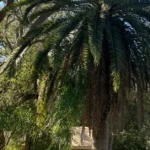
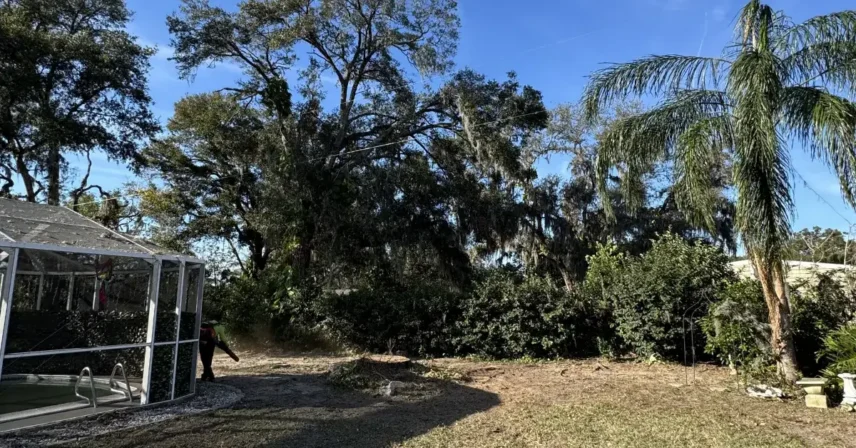
Palm trees are synonymous with Florida living. Whether you have stately Sabal palms lining your driveway in Wesley Chapel, towering queen palms creating a tropical oasis in New Tampa, or coconut palms swaying near the coast, these iconic trees are an investment in your property’s beauty and value.
But Tampa Bay’s palms face serious health threats. From devastating diseases like lethal bronzing to common nutrient deficiencies, palm problems can escalate quickly. Unlike many hardwood trees that decline gradually, palms often show minimal symptoms until they’re beyond saving.
Here’s what every Tampa Bay palm owner needs to know.
Lethal Bronzing Disease: The #1 Palm Killer in Florida
What it is: Lethal bronzing (formerly called lethal yellowing) is a bacterial disease spread by tiny planthoppers. It’s fatal to many palm species and is spreading rapidly through Tampa Bay and Central Florida.
Susceptible palms:
- Coconut palm (extremely vulnerable)
- Pindo palm (queen palm – highly susceptible)
- Christmas palm
- Date palm
- Some species of Phoenix palms
Resistant palms:
- Sabal palm (Florida state tree – naturally resistant)
- Saw palmetto
- Paurotis palm
- Royal palm (moderate resistance)
Symptoms to watch for:
- Premature fruit drop (often the first sign – flowers and fruits drop while still green)
- Inflorescence death (flower stalks turn black and die)
- Yellowing fronds starting from the lower canopy and moving upward
- Bronzing of leaves as they die
- Spear leaf collapse (the newest frond in the center fails to unfold)
- Complete canopy collapse and death (usually within 3-6 months of first symptoms)
Treatment options: If caught in the very early stages (premature fruit drop but before significant yellowing), oxytetracycline antibiotic injections may save the tree. These must be administered by a licensed professional every 3-4 months.
Prevention: High-value palms in lethal bronzing zones can receive preventive antibiotic injections. This is expensive (typically $100-$300 per treatment, 3-4 times yearly), but worth it for specimen palms.
The hard truth: Once a palm shows advanced symptoms (bronzing, spear leaf collapse), it cannot be saved and should be removed immediately to reduce planthopper populations.
Fusarium Wilt (Panama Disease in Queen Palms)
This fungal disease primarily affects queen palms (Pindo palms) in Tampa Bay and is becoming increasingly common.
Symptoms:
- One-sided wilting and browning of fronds
- Dark streaking on one side of the trunk
- Progressive death starting on one side of the palm
- Eventual total crown collapse
The problem: Fusarium enters through wounds and spreads through the palm’s vascular system. There is no cure. Infected palms must be removed, and the fungus can persist in soil, making replanting with another queen palm risky.
Prevention: Avoid wounding palm trunks with string trimmers or lawn equipment. Disinfect pruning tools between trees.
Ganoderma Butt Rot in Palms
While often associated with hardwoods, Ganoderma zonatum also attacks palms in Florida, particularly older specimens and transplanted palms.
What to look for:
- Large, shelf-like fungal conks at the base of the trunk (usually tan to brown with white edges)
- Wilting or collapsing fronds
- Soft, punky wood at the trunk base
- Palm may appear healthy until it suddenly topples
Danger: By the time the conk (fruiting body) appears, the internal decay is extensive. The palm’s structural integrity is compromised, and removal is usually necessary for safety.
No cure exists. Infected palms should be removed before they fail during storms.
Nutritional Deficiencies: The Most Common Palm Problem in Tampa Bay
Florida’s sandy soils are notoriously deficient in micronutrients essential for palm health. Nutritional deficiencies are the #1 palm problem we see in Pasco and Hillsborough County — and the good news is they’re treatable.
Manganese Deficiency
Symptoms:
- “Frizzle top” or “frizz” — new fronds emerge small, crinkled, and deformed
- Yellowing with green veins on new growth
- Reduced frond size
- Common in queen palms
Treatment: Manganese sulfate applications 2-4 times yearly, either as soil drench or foliar spray.
Magnesium Deficiency
Symptoms:
- Broad yellow bands on older fronds while the newest growth stays green
- Symptoms start on oldest leaves first
- Extremely common in all palm species in Florida
Treatment: Magnesium sulfate (Epsom salt) applied 2-4 times yearly. Use 2-5 pounds per tree depending on size.
Potassium Deficiency
Symptoms:
- Yellow to orange spotting on oldest fronds
- Frond tips turn brown and become necrotic
- Progression from oldest to newest leaves
- Most common nutritional problem in palms
Treatment: Potassium sulfate or specialized palm fertilizer (8-2-12 or 8-0-12) applied quarterly.
Iron Deficiency
Symptoms:
- Yellowing of newest leaves while veins remain green
- Stunted growth
- Common in alkaline soils
Treatment: Iron chelate applications or acidifying soil amendments.
Bud Rot: A Wet Weather Killer
What it is: A fungal or bacterial infection that attacks the palm’s growing point (the bud/heart).
Symptoms:
- Foul odor from the crown
- Dark, mushy tissue in the center of the palm
- Spear leaf pulls out easily
- Wilting and collapse of newest fronds
- Rapid death (days to weeks)
Common in: Sabal palms and coconut palms during prolonged wet periods
Treatment: Difficult to treat once established. Fungicide injections may help if caught extremely early. Prevention includes avoiding overhead irrigation and ensuring good drainage.
Important: Once the bud is dead, the entire palm is dead (palms cannot regenerate from the trunk like hardwoods can).
Pestalotiopsis (Palm Leaf Spot)
This fungal disease causes brown to black spots on palm fronds, often with yellow halos.
When it’s a problem: Usually cosmetic only, but severe infections can stress palms and make them vulnerable to other issues.
Management: Improve air circulation through proper spacing, avoid overhead watering, and remove heavily infected fronds. Fungicides rarely needed unless infections are severe.
Scale Insects and Palm Pests
Common pests on Tampa Bay palms:
Palm Aphids: Cluster on new growth, causing distortion and black sooty mold
Palmetto Weevils: Large beetles that attack stressed palms, especially recently transplanted ones
Palm Leaf Skeletonizers: Caterpillars that feed on leaf tissue, creating a “skeleton” appearance
Treatment: Most palm pests can be controlled with insecticidal soap, horticultural oil, or targeted insecticides. But addressing underlying stress (water, nutrition) is critical for long-term health.
Protecting Your Tampa Bay Palms
1. Choose the right palm for your location Sabal palms are the most disease-resistant and cold-hardy option for Tampa Bay. If planting queen palms, be aware of their susceptibility to lethal bronzing and fusarium wilt.
2. Fertilize properly Use a palm-specific fertilizer (8-2-12 or similar) with micronutrients. Apply in March, June, September, and December. Never use weed-and-feed products near palms.
3. Water correctly Newly planted palms need consistent moisture for 6-12 months. Established palms are drought-tolerant but appreciate deep watering during dry spells.
4. Prune carefully Only remove completely dead fronds (brown, not just yellow). Never remove green fronds or cut into the trunk’s “boot” (old frond bases). Over-pruning weakens palms.
5. Protect from damage Keep string trimmers and mowers away from the trunk. Wounds invite disease and pests.
6. Watch for symptoms Early detection is everything with palm diseases. Monthly visual inspections can catch problems before they become fatal.
When to Call a Professional
Contact Grand Oaks Tree Service if your Tampa Bay palms show:
- Premature fruit drop or flower death
- Yellowing or bronzing fronds
- Deformed new growth
- Fungal conks at the base
- One-sided decline
- Any rapid deterioration
Our certified arborists can diagnose palm problems, recommend treatments, and perform antibiotic injections for lethal bronzing when caught early.
Your palms are an investment. Protect them with expert care.