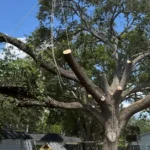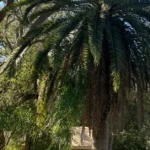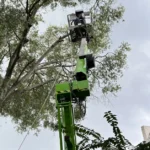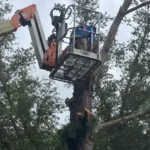
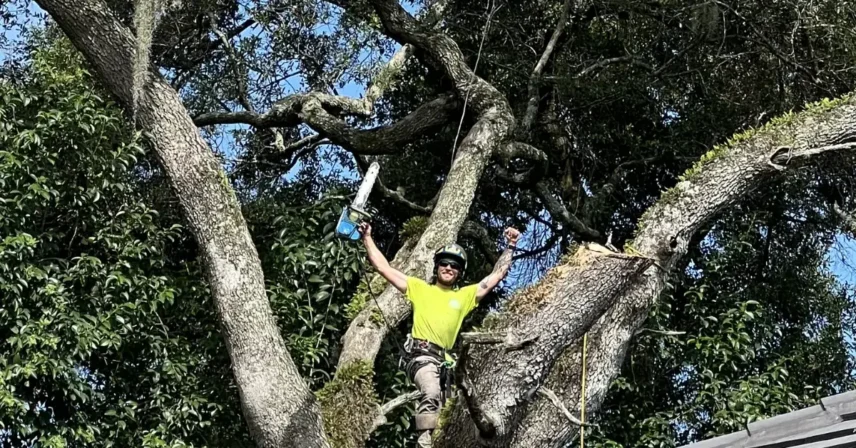
One of the most common questions we receive at Grand Oaks Tree Service is, “When should I trim my trees?” The answer isn’t simple because Central Florida’s unique climate creates different optimal timing for different tree species. Unlike northern states with distinct seasons, our Tampa Bay area growing season extends nearly year-round, affecting when and how we should prune.
This comprehensive calendar guides Wesley Chapel, Pasco County, and Hillsborough County homeowners through the entire year, explaining what to prune when and why timing matters for tree health and property safety.
Understanding Central Florida’s Climate Impact on Pruning
Central Florida, including the Tampa Bay region, sits in USDA Hardiness Zones 9a-9b. Our climate characteristics that affect pruning timing include:
- Mild Winters: Rare freezes (typically only a few nights below 32°F)
- Hot, Humid Summers: Peak growing season from May through September
- Distinct Wet and Dry Seasons: Rainy season June-October, dry season November-May
- Hurricane Season: June 1 – November 30 (peak August-October)
- Active Growing Season: Nearly year-round, though slower December-February
These factors create specific pruning windows different from what you’d find in other parts of the country—or even other parts of Florida.
January – Late Winter Dormancy
Ideal Trees to Prune:
- Deciduous Shade Trees: Sycamores, maples, elms, and other trees that lose leaves in winter
- Fruit Trees: Citrus trees (after harvest, before spring bloom)
- Crepe Myrtles: Structural pruning and shaping
Why January is Ideal:
Deciduous trees are dormant in January, making their structure visible. With leaves gone, arborists can see the full branch architecture and identify problems. Trees pruned during dormancy direct energy into healing and new growth when spring arrives.
Avoid in January:
- Oak Trees: While technically acceptable, wait until summer to minimize oak wilt risk
- Palms: Cooler weather slows palm recovery; wait until May
- Tropical Trees: Mango, avocado, and other tropical species are cold-sensitive
Special Considerations for Wesley Chapel/Tampa Bay:
January cold snaps can damage new growth. If pruning before a predicted freeze, delay by a few days. Young trees and tropical species are especially vulnerable.
February – Last of Winter
Ideal Trees to Prune:
- Late-Dormant Deciduous Trees: Final window for major pruning
- Citrus: Remove dead wood and thin canopy
- Hedges and Shrubs: Shape before spring growth surge
Why February is Ideal:
Similar to January, trees are still dormant but beginning to prepare for spring growth. Pruning now allows maximum energy allocation to desired growth.
Avoid in February:
- Oak Trees: February begins the high-risk season for oak wilt transmission (through June)
- Spring-Flowering Trees: Pruning now removes flower buds
- Newly Planted Trees: Give new trees their first growing season before structural pruning
Special Considerations for Wesley Chapel/Tampa Bay:
February is unpredictable. We can have 80°F days followed by near-freezing nights. Monitor weather forecasts and avoid pruning before cold fronts.
March – Spring Arrives in Central Florida
Ideal Trees to Prune:
- Summer-Flowering Trees: Crape myrtles, vitex, chaste trees
- Evergreen Trees: Light shaping and dead wood removal
- Hedges: First shaping of the year
Why March is Ideal:
Spring growth begins, and trees are leaving dormancy. Minor pruning is fine, but avoid major structural work. This is an excellent time for assessment and planning.
Avoid in March:
- Oak Trees: High oak wilt risk continues
- Azaleas, Dogwoods, Redbuds: Flowering trees should have been pruned earlier
- Heavy Pruning: Spring growth flush makes this poor timing for major cuts
Special Considerations for Wesley Chapel/Tampa Bay:
March is when live oaks naturally shed and replace their leaves. Don’t confuse this normal leaf drop with a health problem. New growth appears shortly after the leaves fall.
April – Spring Growth Peak
Ideal Trees to Prune:
- Minimal Pruning Month: Focus on damage assessment and hazard removal only
- Dead Wood Removal: Safe to remove dead branches from most species
- Emergency Work Only: Storm damage or safety hazards
Why April Has Limited Pruning:
Trees are experiencing rapid growth. Major pruning disrupts this energy allocation. Additionally, oak wilt risk remains high, and many trees are flowering.
Avoid in April:
- Oak Trees: Continue avoiding until July
- Most Structural Pruning: Save major work for dormant season
- Spring-Flowering Trees: They’re finishing their bloom cycle
Special Considerations for Wesley Chapel/Tampa Bay:
April is typically our driest month. If pruning is necessary, ensure adequate watering afterward to reduce stress. This is an excellent month for tree assessment and planning summer pruning.
May – Late Spring Preparation
Ideal Trees to Prune:
- Palms: Excellent month to begin palm maintenance
- Dead Wood Removal: Safe for all species
- Storm Preparation: Begin assessing trees for hurricane season
Why May is Ideal:
Spring growth is completing, and summer growing season begins. Palms are entering active growth and recover quickly from pruning. Oak wilt risk begins declining.
Avoid in May:
- Oak Trees: One more month to minimize disease risk
- Heavy Pruning: Trees are still actively growing
- Spring-Flowering Trees: Let them complete their growth cycle
Special Considerations for Wesley Chapel/Tampa Bay:
May marks the traditional start of wet season. Schedule pruning early in the month before afternoon thunderstorms become daily events. Wet conditions make pruning difficult and dangerous.
June – Hurricane Season Begins
Ideal Trees to Prune:
- Storm Preparation Pruning: Remove dead wood and weak branches
- Palms: Continue maintenance pruning
- Limited Structural Work: Minor adjustments for storm readiness
Why June is Ideal:
Hurricane season officially starts June 1. While major storms are rare this early, preparation should begin. Oak wilt risk drops significantly, though not entirely eliminated.
Avoid in June:
- Extensive Pruning: As storm season begins, avoid creating many fresh wounds
- Oak Trees: Wait one more month for safest timing
- Over-Thinning: Some canopy density provides storm protection
Special Considerations for Wesley Chapel/Tampa Bay:
Daily thunderstorms begin this month. Schedule pruning for morning hours before afternoon storms develop. Lightning danger is significant June through September in Central Florida.
July – Prime Oak Pruning Season Begins
Ideal Trees to Prune:
- Oak Trees: Best month to begin oak pruning (low disease risk)
- Storm Preparation: Continue hurricane readiness work
- Most Tree Species: Generally safe for pruning
- Palms: Continue as needed
Why July is Ideal:
Oak wilt beetle activity drops to minimal levels. Storm season is underway but peak months (August-October) are ahead, allowing time for wounds to seal. Trees are actively growing and heal quickly.
Avoid in July:
- Over-Pruning: Even in good months, never remove more than 25% of canopy
- Stressed Trees: Extreme heat and drought stress trees; ensure adequate water before and after pruning
Special Considerations for Wesley Chapel/Tampa Bay:
July is consistently hot and humid. Tree care work should happen early morning or late afternoon. Ensure adequate watering after pruning during this heat. Monitor tropical weather; delay pruning if systems are developing.
August – Continued Summer Pruning
Ideal Trees to Prune:
- Oak Trees: Excellent month for oak maintenance
- Storm Preparation: Complete essential storm prep pruning
- Most Shade Trees: Safe for maintenance pruning
- Palms: Final major pruning before peak storm season
Why August is Ideal:
Similar to July, oak wilt risk remains low. Trees are healthy and actively growing, promoting quick healing. However, hurricane risk increases, so prioritize safety over aesthetics.
Avoid in August:
- Non-Essential Work: Peak hurricane season approaches; focus on safety
- Extensive Wounding: Fresh cuts increase vulnerability during potential storms
- Newly Planted Trees: Extreme heat stresses new plantings; avoid pruning
Special Considerations for Wesley Chapel/Tampa Bay:
August is historically peak month for tropical activity affecting Tampa Bay. Monitor weather constantly and pause pruning if tropical systems develop. Complete high-priority work early in the month.
September – Peak Hurricane Season
Ideal Trees to Prune:
- Emergency Hazards Only: Dead branches, hanging limbs, obvious dangers
- Damage Assessment: Inspect trees after any storm events
- Oak Trees: Still safe for oak pruning
Why September Has Limited Pruning:
September is statistically peak month for hurricanes affecting Florida. Major pruning creates fresh wounds that haven’t sealed before potential storms arrive.
Avoid in September:
- Elective Pruning: Delay cosmetic work until October
- Extensive Canopy Work: Minimize creating multiple wounds
- Non-Emergency Projects: Focus on safety only
Special Considerations for Wesley Chapel/Tampa Bay:
September 2017 brought Hurricane Irma through our area. While major storms are rare, they’re most likely this month. Keep arborist contact information handy for post-storm assessment. Many tree services are booked weeks ahead after major storms.
October – Late Hurricane Season
Ideal Trees to Prune:
- Oak Trees: Excellent month for oak maintenance
- Fall Cleanup: Remove storm-damaged branches
- Assessment: Evaluate trees that need winter attention
- Most Species: Generally safe for maintenance pruning
Why October is Ideal:
Hurricane season continues through November 30, but risk decreases after October. Oak wilt risk remains minimal. Trees are still actively growing and healing well.
Avoid in October:
- Major Work Early Month: First half of October still carries storm risk
- Spring-Flowering Trees: Avoid pruning trees that flower in spring
Special Considerations for Wesley Chapel/Tampa Bay:
October weather is typically beautiful in Tampa Bay—warm days, lower humidity, fewer thunderstorms. This is an excellent time for tree assessment and maintenance. Schedule now for winter work.
November – Fall Pruning Window Opens
Ideal Trees to Prune:
- Oak Trees: Continue oak maintenance
- Most Deciduous Trees: Begin dormant season work
- Assessment and Planning: Evaluate landscape before winter
Why November is Ideal:
Hurricane season officially ends November 30. Oak wilt risk remains low. Deciduous trees begin dormancy. This is an excellent time for structural pruning on most species.
Avoid in November:
- Spring-Flowering Trees: They’re setting buds for next spring
- Tropical Species: Beginning to slow growth; pruning recovery slower
Special Considerations for Wesley Chapel/Tampa Bay:
November brings our most pleasant weather. This is ideal for extensive tree work. Deciduous trees begin losing leaves, making structure visible. Schedule major projects now before holiday season.
December – Early Winter Dormancy
Ideal Trees to Prune:
- Deciduous Shade Trees: Excellent month for structural work
- Oak Trees: Continue oak maintenance
- Dead Wood Removal: Safe for all species
- Holiday Clearance: Prune branches interfering with decorations
Why December is Ideal:
Similar to November, good weather continues. Deciduous trees are dormant. Oak wilt risk remains minimal. This is an excellent time for major structural pruning projects.
Avoid in December:
- Spring-Flowering Trees: Buds are set for spring
- Palms: Cooler weather slows recovery; wait until May
- Tropical Trees: Cold sensitivity increases
Special Considerations for Wesley Chapel/Tampa Bay:
December occasionally brings cold snaps. While rarely severe, freezing temperatures can damage fresh pruning cuts. Monitor forecasts and delay work if freezes predicted. This is also the busiest season for tree services, so schedule early.
Special Timing Considerations
Emergency Situations
Storm damage, fallen branches, or immediate hazards should be addressed immediately regardless of timing. Safety always supersedes optimal pruning windows.
Young Trees (Less Than 5 Years Old)
Newly planted trees need minimal pruning. Focus on:
- Removing dead or damaged branches only
- Correcting major structural issues
- Allowing trees to establish before significant pruning
Mature Trees
Large, established trees benefit from:
- Professional assessment every 3-5 years
- Maintenance pruning on species-specific schedules
- Regular monitoring for hazards
Trees Under Stress
Drought-stressed, disease-affected, or otherwise compromised trees should not be pruned except to remove dead wood. Wait until trees recover before elective pruning.
Working with Professional Arborists
Understanding optimal timing is valuable, but professional arborists bring additional expertise:
- Recognition of species-specific needs
- Identification of diseases and pests
- Proper pruning technique preventing damage
- Safety equipment for large trees
- Insurance protecting your property
- Compliance with local regulations
At Grand Oaks Tree Service, we serve Wesley Chapel, Lutz, New Tampa, Land O’ Lakes, and throughout Pasco and Hillsborough Counties. Our certified arborists understand Central Florida’s unique climate and timing requirements for every tree species in your landscape.
Planning Your Annual Tree Care Schedule
Proactive tree care prevents emergency situations and maintains property value. Consider:
Winter (December-February): Major structural pruning of deciduous trees Spring (March-May): Assessment, planning, palm maintenance Summer (June-August): Oak pruning, storm preparation Fall (September-November): Post-storm cleanup, continued maintenance
Regular professional assessment ensures your trees remain healthy, safe, and beautiful year-round.